
OpenAI
OpenAI’s GPT-6.1 Terra halves the price of its mid-tier model
At US$1 per million input tokens, Terra costs a tenth of GPT-6 Astra per token and is built for screen-reading, app control and everyday writing.
OpenAI released GPT-6.1 Terra on 26 October 2026, an update to the mid-tier model in its four-class line-up of Luna, Terra, Sol and Astra. OpenAI pitches it at the everyday work of an office: reading what is on screen, operating applications and writing.
GPT-6.1 Terra understands what’s on screen, takes action across apps, writes naturally, and is a more capable model for your whole workday with the efficiency to take on more of it.
Price
OpenAI’s API price list sets GPT-6.1 Terra at US$1 per million input tokens, US$0.05 per million cached input tokens and US$5 per million output tokens. OpenAI says that is 50% less than GPT-5.6 Terra. On the same list:
- GPT-6 Astra, the top tier: US$10 input and US$50 output, ten times Terra’s rate.
- GPT-6.1 Sol: US$2 and US$10, double Terra’s rate.
- GPT-6 Luna, the smallest: US$0.10 and US$0.50.
Batch and Flex processing cost half the standard price, and prompts longer than 272,000 input tokens are charged at a higher rate.
Capability
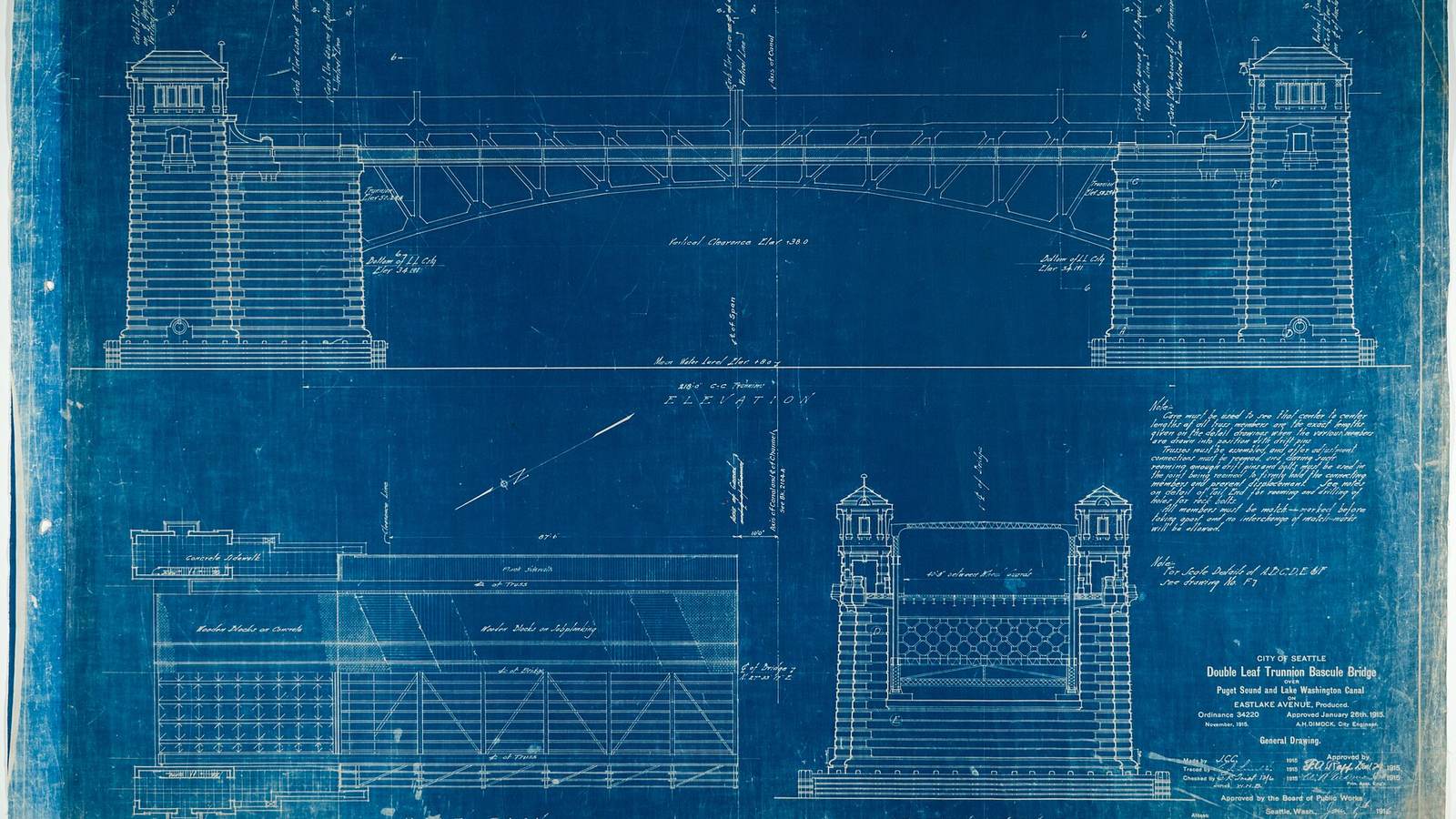
Terra has a 1.05-million-token context window, up to 128,000 output tokens and a knowledge cutoff of June 2026. It takes text and images as input and supports OpenAI’s computer-use, web search, file search and code tools through the Responses API. OpenAI’s documentation suggests matching product photos to catalogue entries, interpreting technical drawings, acting on application screens, and drafting and revising text. On an internal test of prompts designed to provoke errors, OpenAI reported that the error rate at low reasoning effort fell from 53.6% with GPT-5.6 Terra to 16.7%. The model is available in ChatGPT Work, Codex and the API.
What it means for your business
Price tiers like these change how work should be routed. A model at a tenth of the flagship’s per-token price can take the high-volume work, such as reading forms, updating records and first drafts, while the expensive model is kept for the problems that need it. The saving comes from deciding which tier handles which job, not from using the cheapest model for everything.
Computer use is the other half of this release. A model that can operate the same screens your staff use can take on repetitive admin, but it should work under the same rules as a new team member: limited permissions, every action logged, and a person approving anything that moves money or goes to a customer. Set it up that way and you stay on top of the work instead of inside it.
Sources
- GPT-6.1 Terra model page (opens in a new tab) · OpenAI API documentation
- API pricing (opens in a new tab) · OpenAI API documentation
- GPT-6.1 Terra announcement (opens in a new tab) · OpenAI on X
- Introducing GPT-6.1 Terra (opens in a new tab) · OpenAI
- OpenAI upgrades ChatGPT and Codex with new GPT-6.1 Terra model (opens in a new tab) · 9to5Mac
General information only, not legal, financial or professional advice. Check the sources for your circumstances.