
CCORE (independent developer)
A 4B open model that turns a sentence into a low-poly 3D game asset
An independent developer has fine-tuned Qwen3.5-4B to write Three.js scenes that export straight to GLB files for Godot and other editors.
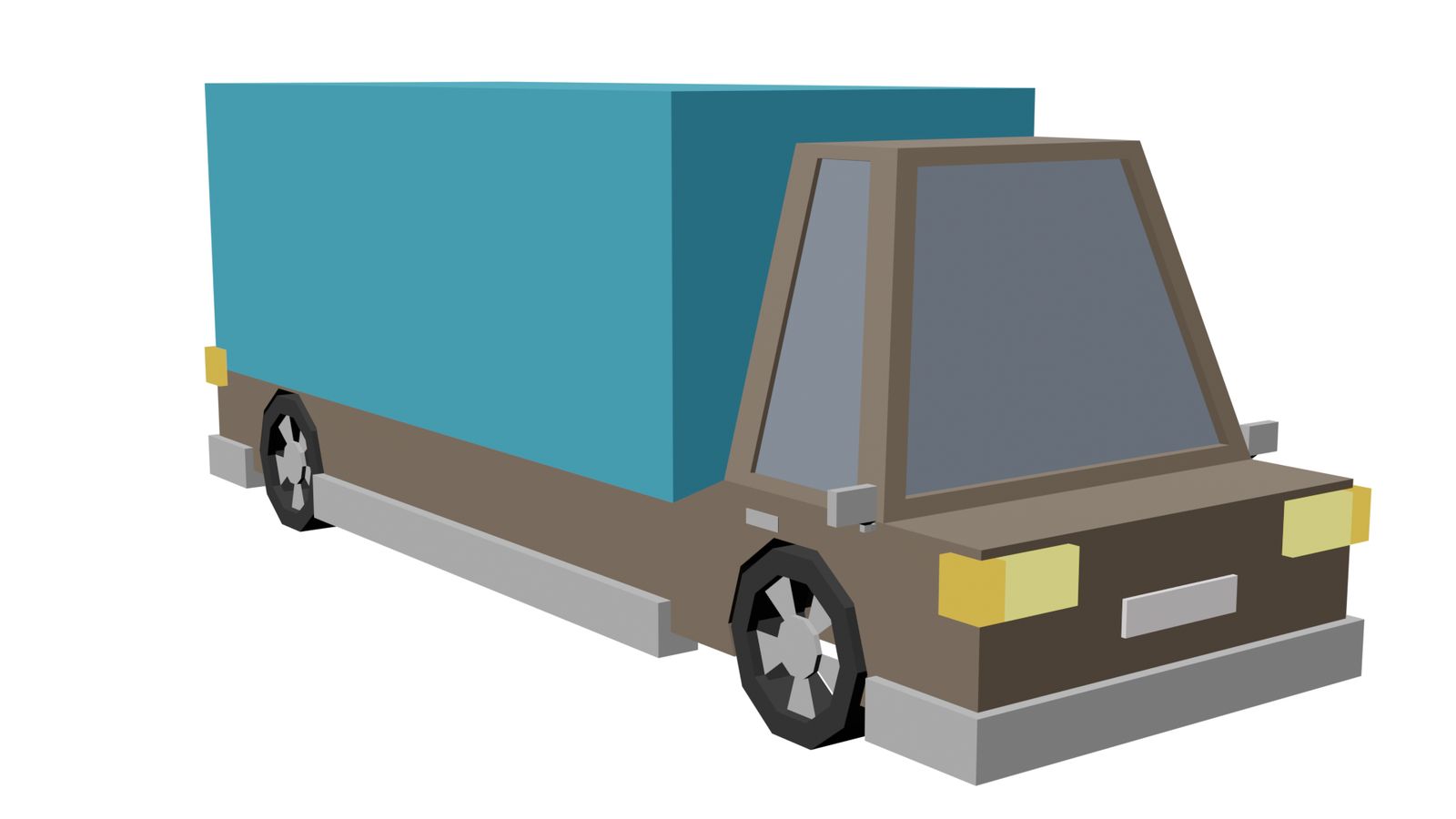
An independent developer publishing as CCORE has released GLB-3D-Coder, a fine-tune of the open Qwen3.5-4B model for one narrow job: turning a text description into a low-poly 3D asset. The release is dated 5 November 2026 and licensed under Apache 2.0.
How it works
Describe a character, a prop, a building or a vehicle, and the model writes a complete, standalone Three.js page in HTML and JavaScript. Open the page in a browser to preview the asset, then press its Export GLB button to download a file you can bring into Godot or any other editor that reads GLB.
It was trained on CCORE’s own dataset of 3,918 tested and rendered examples across 40 domains, each with a validated GLB export, and that dataset has been published too. Training examples run up to 72,000 tokens and responses average about 20,000, so the developer advises leaving output limits unrestricted and keeping the model’s thinking mode on. It ships as compact GGUF builds (Q4_K_M and Q8_0) for local apps such as LM Studio, alongside the original weights.
What it doesn’t claim
There are no benchmark scores. The model card shows side-by-side images against DeepSeek V4.1 Flash for a handful of prompts and is candid about limits: some requests need a retry or a small code fix, materials and animation can differ between the browser preview and the exported file, and animation has to be asked for explicitly and then checked in the GLB.
The developer says they paid for the data preparation, validation and GPU training themselves, and plans a far larger dataset of around 100,000 examples aimed at training small models that use tools.
What it means for your business
This is a small release, but it shows something every business can use: a 4-billion-parameter model, trained on a few thousand carefully checked examples, can do one specific job well enough to be useful, and it runs on a laptop. The value came from the dataset, not from the size of the model.
Most teams have a task like this, something repeated, structured and easy to check, such as formatting a quote, building a product listing or drafting a standard report. The real work is collecting good examples of how your people already do it and deciding who reviews the output. Get those two things right and small, cheap models become part of the team instead of a side project.
Sources
- CCORE GLB-3D-Coder (Qwen3.5-4B) model card (opens in a new tab) · Hugging Face
- CCORE ThreeJS-3D-GLB-Assets dataset (opens in a new tab) · Hugging Face
General information only, not legal, financial or professional advice. Check the sources for your circumstances.